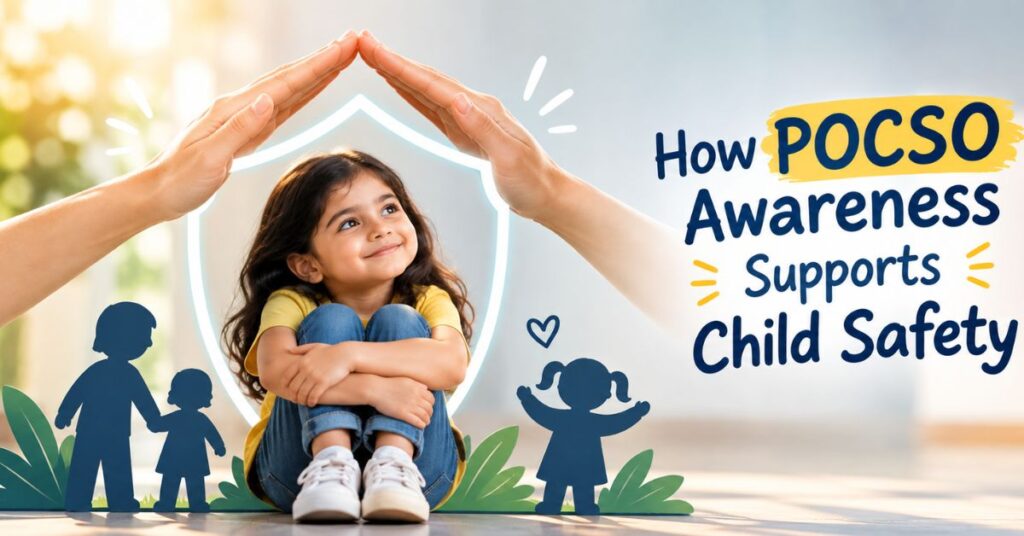
Child safety is a shared responsibility that requires awareness, communication, and timely action. Children may not always understand inappropriate behaviour or know how to seek help when they feel uncomfortable or unsafe. This is where awareness of the Protection of Children from Sexual Offences (POCSO) Act becomes important. POSH training courses can also help adults understand appropriate workplace conduct, prevention strategies, and the importance of creating safe environments. POCSO awareness helps children, parents, teachers, schools, and communities understand how to recognise unsafe situations, respond appropriately, and protect children from sexual abuse and exploitation.
Understanding POCSO and Its Purpose
The Protection of Children from Sexual Offences Act, commonly known as the POCSO Act, is an Indian law created to protect children from sexual offences. It provides a legal framework for dealing with sexual assault, sexual harassment, and the exploitation of children.
POCSO awareness is not limited to explaining legal rules. It also encourages adults to understand children’s safety needs and helps create an environment where children can speak about uncomfortable experiences without fear or shame. When people understand the purpose of the law, they are better prepared to identify concerns and take appropriate steps.
Helping Children Recognise Unsafe Behaviour
One of the most valuable aspects of POCSO awareness is teaching children about personal safety in an age-appropriate way. Children should understand that they have the right to feel safe and that no one should make them feel uncomfortable through inappropriate touching, communication, or behaviour.
Safety education can help children recognise warning signs and understand the difference between appropriate and inappropriate behaviour. It can also teach them that they should not keep unsafe situations secret simply because someone tells them to do so.
This knowledge can give children greater confidence to speak with a trusted adult when something does not feel right.
Creating Open Communication at Home
Parents and caregivers play an important role in child protection. A child who feels comfortable discussing concerns with a parent or caregiver may be more likely to report an uncomfortable experience.
POCSO awareness encourages parents to maintain open and supportive communication. Instead of reacting with anger, blame, or disbelief, adults should listen carefully when a child shares a concern. Children need to know that they will be taken seriously and supported.
Regular conversations about boundaries, privacy, safe and unsafe behaviour, and trusted adults can make safety discussions a normal part of childhood rather than something that is only discussed after an incident.
Strengthening Safety in Schools
Schools are important environments for children’s development, making child protection awareness essential for teachers and staff. POCSO awareness programmes can help school personnel understand their responsibilities and recognise possible signs of abuse or distress.
Teachers may notice changes in a child’s behaviour, attendance, participation, or emotional state. While such changes do not automatically indicate abuse, awareness can encourage responsible adults to respond carefully and follow appropriate child-protection procedures when concerns arise.
Schools can also establish clear safety policies, reporting mechanisms, staff training, and awareness sessions for students and parents. These measures contribute to a stronger safeguarding environment.
Encouraging Responsible Reporting
Children may hesitate to report abuse because they are afraid of punishment, embarrassment, threats, or not being believed. Adults may also feel uncertain about what to do when a child shares a serious concern.
POCSO awareness helps reduce this uncertainty by explaining the importance of reporting suspected offences through appropriate channels. It also reinforces the principle that child safety should take priority over protecting reputations or avoiding uncomfortable conversations.
Responsible reporting should always be handled carefully, with attention to the child’s privacy, dignity, emotional wellbeing, and legal protections.
Protecting Children from Online Risks
Child safety now extends beyond physical environments. Children increasingly use smartphones, social media, online games, messaging platforms, and educational applications. These spaces can expose them to inappropriate communication, manipulation, exploitation, and other online risks.
POCSO awareness can support digital safety education by helping children understand that inappropriate online behaviour is also a serious concern. Children should be encouraged to avoid sharing private information or images with unknown people and to tell a trusted adult when online communication makes them uncomfortable.
Parents and educators can support children by discussing responsible internet use without creating an atmosphere of fear. Open communication is often more effective than simply restricting access.
Building a Culture of Prevention
Child protection should not begin only after an incident occurs. Awareness helps communities focus on prevention. Parents, teachers, school administrators, counsellors, healthcare professionals, and community organisations can all contribute to creating safer environments.
Regular POCSO awareness sessions can help people understand children’s rights, appropriate boundaries, warning signs, reporting responsibilities, and supportive responses. Training should be age-appropriate, practical, and sensitive to the emotional needs of children.
Prevention also involves teaching adults that children’s statements should be handled with care. Avoiding blame, maintaining confidentiality appropriately, and seeking professional or legal assistance when required can help protect the child during difficult situations.
Supporting Children With Confidence and Trust
A safe environment allows children to grow with confidence. When children understand their boundaries and know whom they can approach for help, they may feel more empowered to respond to unsafe situations.
POCSO awareness also reminds adults that child protection requires patience and sensitivity. A child may not always explain an experience clearly or immediately. Providing reassurance and creating a supportive environment can make it easier for children to communicate their concerns.
Conclusion
POCSO awareness plays an important role in strengthening child safety by promoting knowledge, prevention, communication, and responsible action. It helps children understand personal boundaries while giving parents, teachers, and communities the knowledge needed to respond appropriately to safety concerns. Offline psychological mental health training courses can also provide valuable learning opportunities for professionals who want to develop their understanding of psychological well-being, communication, and responsible support practices.
Creating safer childhoods requires more than awareness of a law. It requires a culture where children are respected, listened to, protected, and encouraged to seek help when they feel unsafe. Through continuous education and responsible safeguarding practices, POCSO awareness can contribute to stronger protection and a safer environment for every child.