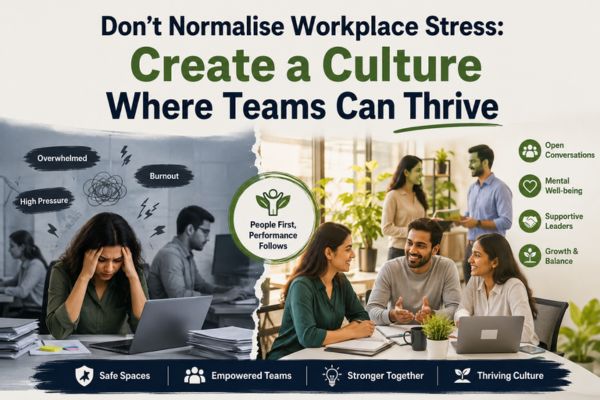
Workplace stress has become so common that many employees and organisations start treating it as a normal part of professional life. Tight deadlines, long working hours, constant messages, changing priorities, and pressure to perform can gradually become accepted as “just part of the job.” However, when stress becomes a regular feature of the workplace, it can affect employee wellbeing, motivation, collaboration, and overall performance. Providing opportunities such as Offline psychological mental health training courses can help organisations build greater awareness of workplace wellbeing and encourage healthier approaches to managing everyday pressures.
A healthy workplace does not mean creating an environment without challenges. Every organisation will experience busy periods, demanding projects, and unexpected problems. The difference lies in how those pressures are managed. Instead of expecting employees to simply cope with ongoing stress, organisations can build a culture that supports sustainable performance, open communication, and mutual respect. Practical awareness and training can help employees and managers recognise concerns early and contribute to a more supportive workplace environment.
Why Workplace Stress Should Not Be Treated as Normal
Some level of pressure can help employees stay focused and meet goals. The problem begins when pressure becomes continuous and employees have little opportunity to recover.
Constant workplace stress may affect concentration, decision-making, communication, and engagement. Employees who regularly feel overwhelmed may become less productive or start withdrawing from team interactions. Over time, this can also contribute to absenteeism, higher employee turnover, workplace conflict, and reduced morale.
Normalising stress can make these warning signs easy to overlook. Statements such as “everyone is under pressure” or “that is simply how this industry works” may unintentionally discourage employees from speaking about genuine concerns.
Instead, organisations should recognise that sustainable productivity depends on people having the support, resources, and clarity needed to perform effectively.
Create Clear and Realistic Expectations
Unclear expectations are a common source of unnecessary workplace pressure. Employees may struggle when priorities constantly change, deadlines are unrealistic, or responsibilities are not clearly defined.
Managers can reduce this pressure by communicating what needs to be completed, which tasks are most important, and when work is realistically expected. If priorities change, employees should understand why and which existing tasks can be adjusted.
Clear expectations do not remove accountability. Instead, they help employees focus their efforts without constantly guessing what matters most.
Encourage Open Conversations About Workload
Employees may hesitate to discuss stress because they fear being viewed as unable to handle their responsibilities. A supportive culture makes it easier to raise workload concerns before they become serious.
Managers can regularly check in with team members and ask practical questions about workload, deadlines, resources, and priorities. These conversations should not feel like another performance evaluation. They should provide an opportunity to identify obstacles and find solutions.
Listening is equally important. If employees repeatedly raise concerns but nothing changes, they may eventually stop speaking up.
Train Managers to Recognise Workplace Pressure
Managers have a significant influence on the day-to-day employee experience. Even well-intentioned managers may overlook signs of excessive pressure if they have not been trained to recognise them.
Manager training can focus on communication, workload planning, respectful leadership, conflict management, and early recognition of employee concerns. Managers should understand how to respond appropriately when someone appears overwhelmed without making assumptions or attempting to diagnose personal problems.
Good leadership is not about eliminating every challenge. It is about ensuring that employees are not left to manage unreasonable pressure alone.
Build a Culture Where Taking Breaks Is Acceptable
A workplace may formally provide breaks while informally rewarding employees who never take them. This creates a damaging message: being constantly available is valued more than working sustainably.
Employees need reasonable opportunities to step away, recharge, and return with greater focus. Leaders can support this by taking breaks themselves, discouraging unnecessary after-hours communication, and avoiding a culture where excessive working hours are treated as a measure of commitment.
Rest should not be viewed as the opposite of productivity. It can support the quality and consistency of work over the long term.
Review Workloads Instead of Blaming Individuals
When employees struggle to keep up, the immediate response should not always be to tell them to work faster or manage their time better.
Sometimes the real issue is structural. A team may have too many responsibilities, insufficient resources, duplicated processes, or unrealistic deadlines. Reviewing workloads can reveal whether the problem is individual performance or an organisational system that needs improvement.
Managers can examine task distribution, project timelines, staffing levels, meeting schedules, and administrative demands. Small operational changes can sometimes remove significant sources of daily pressure.
Encourage Respectful Communication
Workplace culture is shaped by everyday interactions. Dismissive comments, aggressive communication, public criticism, unnecessary urgency, or constant interruptions can increase stress even when the workload itself is manageable.
Organisations should establish clear expectations around respectful communication. Employees should understand that professionalism includes how people communicate during disagreements, deadlines, and difficult situations.
A respectful environment makes it easier for people to ask questions, admit mistakes, share ideas, and raise concerns without unnecessary fear.
Give Employees More Control Where Possible
Not every role allows complete flexibility, but organisations can still look for reasonable ways to give employees greater control over their work.
This might involve allowing employees to organise certain tasks independently, providing flexibility in appropriate roles, involving team members in planning, or giving them a clearer voice when setting priorities.
Greater autonomy can help employees feel trusted and more capable of managing their responsibilities. It also encourages ownership rather than creating a workplace where every decision depends on management approval.
Make Wellbeing Part of Everyday Culture
Employee wellbeing should not be limited to occasional wellness programmes or motivational activities. While these initiatives can be useful, they cannot compensate for excessive workloads, poor communication, or unhealthy management practices.
A stronger approach is to consider wellbeing when designing everyday work practices. Organisations can review workload expectations, working hours, communication habits, leave policies, manager behaviour, and employee feedback.
The goal is to create working conditions that support people consistently rather than responding only after stress has become a major problem.
Recognise Effort Without Creating Pressure
Recognition can improve morale, but it needs to be handled carefully. If employees are praised primarily for working late, taking on excessive workloads, or being available at all times, recognition can unintentionally encourage unhealthy behaviour.
Instead, organisations can recognise collaboration, problem-solving, reliability, innovation, quality work, and responsible leadership. This sends a healthier message about what the organisation values.
Employees should feel that strong performance comes from effective and sustainable work, not from continuously sacrificing their personal time.
Create a Workplace Where Teams Can Thrive
A thriving workplace is not one where employees never experience pressure. It is one where challenges are managed thoughtfully and people have the support needed to handle them. Building awareness through relevant learning opportunities, including psychology diploma courses, can also help individuals and organisations develop a deeper understanding of workplace behaviour, communication, and wellbeing.
Creating this kind of culture requires consistent action. Leaders need to listen to employees, set realistic expectations, review workloads, promote respectful communication, and demonstrate healthy working habits. Employees also need clear channels for raising concerns and seeking support.
Most importantly, organisations should stop treating chronic workplace stress as an unavoidable sign of a demanding career. Pressure may sometimes be part of work, but ongoing exhaustion should not be the standard.
When businesses create an environment built around clarity, respect, trust, and sustainable performance, employees are more likely to feel supported and engaged. Teams can collaborate more effectively, managers can lead with greater awareness, and organisations can build stronger workplaces where people have the opportunity not just to work, but to thrive.