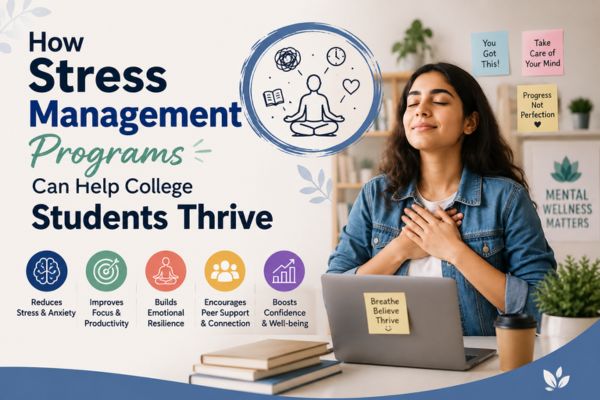
College life can be an exciting period filled with new experiences, friendships, learning opportunities, and personal growth. At the same time, students often face academic pressure, deadlines, financial concerns, changing relationships, career uncertainty, and the challenge of balancing multiple responsibilities. Occasional stress is a normal part of student life, but ongoing or overwhelming stress can make it difficult to concentrate, stay motivated, and enjoy everyday experiences.
This is where stress management programs can provide meaningful support. Rather than simply telling students to “relax,” these programs can teach practical strategies for recognising stress, managing pressure, building healthy routines, and seeking support when needed. Learning opportunities such as courses on mental health online can also give students convenient access to useful information about emotional wellbeing, coping strategies, and healthy stress-management practices. With the right approach, stress management can help students become more confident, resilient, and prepared to handle the demands of college life.
Understanding Stress in College Students
Stress can affect students in different ways. Academic challenges may create pressure around examinations, assignments, presentations, and grades. Students may also experience stress because of financial responsibilities, social expectations, homesickness, relationship difficulties, or uncertainty about their future.
Not every stressful situation requires professional intervention. However, when stress becomes persistent, students may notice changes in their sleep, concentration, mood, energy, or ability to manage daily responsibilities. Recognising these signs early can encourage students to take constructive steps rather than allowing stress to build over time.
Building Better Coping Skills
One of the most useful benefits of a stress management program is that it can help students develop practical coping skills. Instead of reacting to pressure at the last minute, students can learn how to identify stressful situations and respond to them more effectively.
Programs may introduce techniques such as breathing exercises, relaxation practices, mindfulness, time management, planning, and healthy problem-solving. These strategies can be adapted to different situations, allowing students to choose approaches that work for their individual needs.
The goal is not to eliminate every stressful experience. Instead, students can learn how to manage challenges without feeling completely overwhelmed by them.
Improving Time and Academic Management
Poor time management can contribute significantly to college stress. Students may postpone assignments, underestimate how long tasks will take, or try to prepare for several examinations at the same time. This can create unnecessary pressure and reduce the quality of their work.
Stress management programs can help students understand how planning and prioritisation can reduce this cycle. Breaking larger assignments into smaller tasks, setting realistic deadlines, scheduling study periods, and allowing time for rest can make academic responsibilities feel more manageable.
These habits can also help students develop skills that remain valuable beyond college.
Supporting Emotional Resilience
Resilience does not mean avoiding difficult emotions or pretending that everything is fine. It means developing the ability to adapt to challenges, recover from setbacks, and continue moving forward.
A well-designed stress management program can encourage students to understand their emotional responses and recognise that setbacks are part of learning and personal development. Students can learn to replace unhelpful thought patterns with more balanced perspectives and focus on actions they can control.
Over time, these skills may help students approach academic disappointments, social difficulties, and other challenges with greater confidence.
Encouraging Healthy Daily Habits
Stress management is not limited to relaxation techniques. Everyday habits can have an important role in how students respond to pressure.
Programs can encourage students to pay attention to sleep, physical activity, nutrition, screen time, social connection, and regular breaks. A student who studies for long hours without sufficient sleep or recovery may find it harder to concentrate and manage pressure effectively.
Creating a sustainable routine can make a significant difference. Even simple habits, such as taking short breaks during study sessions, maintaining a consistent sleep schedule, spending time outdoors, or staying physically active, can support overall well-being.
Creating a Supportive Campus Environment
Students may hesitate to talk about stress because they worry about being judged or appearing unable to cope. Stress management programs can help create an environment where discussing well-being becomes more acceptable.
Workshops, counselling services, peer-support activities, and awareness sessions can encourage students to recognise that seeking help is a responsible step rather than a weakness. When colleges make support services visible and approachable, students may feel more comfortable reaching out before their difficulties become harder to manage.
A supportive environment can also strengthen connections between students, teachers, counsellors, and other members of the college community.
Helping Students Manage Performance Pressure
College students may feel pressure to achieve high grades, build an impressive resume, participate in extracurricular activities, and prepare for competitive careers. While ambition can be positive, constant pressure to perform can make students feel that their self-worth depends entirely on their achievements.
Stress management programs can encourage students to develop realistic expectations and focus on progress rather than perfection. Learning how to set achievable goals, recognise personal strengths, and accept mistakes as opportunities to learn can create a healthier approach to achievement.
This can help students pursue academic and career goals without allowing performance pressure to dominate their lives.
Encouraging Early Support
One of the most important aspects of stress management is recognising when self-help strategies may not be enough. Students experiencing ongoing distress, major changes in daily functioning, or difficulty coping should be encouraged to speak with an appropriate mental health professional or college support service.
Stress management programs can help students understand the difference between everyday pressure and situations that may require additional support. Early guidance can make it easier to identify concerns and access suitable resources.
Making Stress Management Part of Student Development
The greatest value of stress management programs comes when they are treated as part of student development rather than as a one-time workshop. Regular sessions, practical activities, accessible support services, and ongoing awareness can help students apply what they learn in real situations.
Colleges can also make programs more effective by creating spaces where students can discuss challenges without unnecessary stigma. When stress management becomes a normal part of campus well-being, students may be more willing to develop healthy coping habits before problems interfere with their education and personal lives.
Conclusionuu
College students do not need to avoid every stressful situation to succeed. They need practical skills and supportive environments that help them respond to challenges in healthy and constructive ways. Stress management programs can contribute by teaching coping strategies, improving time management, strengthening emotional resilience, encouraging healthy routines, and making support easier to access. Lessons from initiatives such as Mental health awareness for employees can also highlight the value of creating environments where people feel comfortable discussing wellbeing and seeking appropriate support.
When students learn how to manage pressure effectively, they can devote more energy to learning, relationships, personal development, and future goals. Ultimately, stress management is not simply about feeling less stressed—it is about helping students build the confidence, awareness, and resilience they need to thrive throughout college and beyond.